
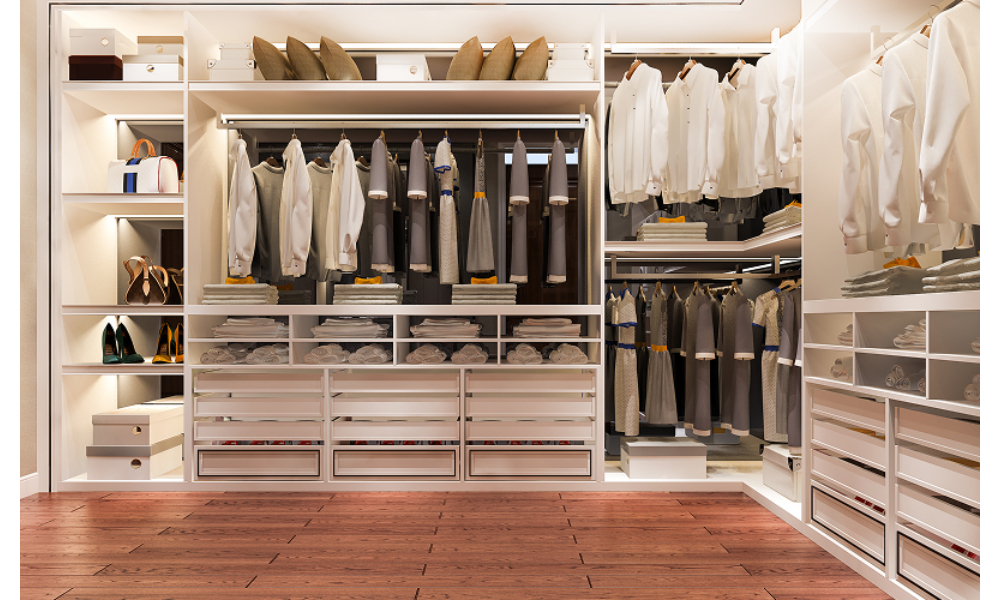
Modern homes are no longer designed around bulky furniture and cluttered storage. Instead, wardrobes have evolved into central design elements that combine aesthetics, efficiency, and technology. A visit to any furniture showroom today reveals how wardrobe design reflects broader lifestyle shifts—toward minimalism, sustainability, and multi-functional living.
1. Minimalist and Seamless Finishes
Clean lines and seamless surfaces dominate contemporary wardrobes. The focus is on visual simplicity: matte laminate doors, handle-less systems, and flush fittings that merge the wardrobe with the wall. Many furniture showrooms now feature concealed hinges and push-to-open systems, creating a fluid, uninterrupted façade. Neutral tones such as white, sand, and taupe remain popular, while black or grey finishes appeal to homeowners seeking a more sophisticated edge. This minimalist trend fits compact urban spaces, giving the illusion of openness without sacrificing storage capacity.
2. Smart Storage and Functional Interiors
The modern wardrobe is as much about interior efficiency as it is about exterior style. Showrooms highlight modular compartments, pull-out drawers, shoe racks, and rotating hanging rods designed to optimise space. Adjustable shelving systems cater to growing storage needs, while LED-lit interiors improve visibility and aesthetics. These innovations reflect how the average homeowner now demands more from their furniture—pieces that adapt to lifestyle changes rather than static designs that age quickly. The emphasis on functionality is particularly strong in smaller homes, where wardrobes must make full use of vertical and corner spaces.
3. Natural Materials and Sustainable Choices
Eco-conscious design is no longer a niche preference. Many furniture showrooms have started featuring wardrobes made from sustainably sourced wood, recycled laminates, and low-VOC finishes. The texture and grain of natural oak, walnut, or bamboo introduce warmth to otherwise minimalist interiors. Beyond aesthetics, sustainability has become a practical selling point as consumers grow more mindful of their environmental footprint. Some furniture brands now display certification labels or explain the carbon savings of each design, making sustainability an integrated part of the showroom experience.
4. Customisable Wardrobe Systems
Personalisation remains a defining trend in the furniture showroom landscape. Modular wardrobe systems allow customers to tailor dimensions, finishes, and internal layouts to suit specific rooms. Sliding doors can be mixed with mirrored panels or glass fronts for a more open look. Showrooms often provide digital tools or design software for visualising configurations in 3D, enabling customers to make decisions with greater accuracy. This degree of flexibility is particularly appealing for homeowners who want a balance between off-the-shelf affordability and bespoke craftsmanship.
5. Integrated Lighting and Technology
Lighting has become more than just a functional addition; it is now part of the wardrobe’s design DNA. Motion-sensor LED strips illuminate compartments when doors open, adding convenience and enhancing visual appeal. Some showrooms even demonstrate wardrobes with built-in dehumidifiers or smart locks for valuables. This combination of design and technology reflects the shift toward intelligent furniture solutions—pieces that anticipate daily needs and integrate seamlessly with modern home automation systems.
6. Bold Accents and Statement Pieces
While minimalism dominates, boldness has its place. Furniture showrooms now showcase wardrobes that serve as focal points—accented with tinted glass doors, bronze frames, or patterned laminates. These statement pieces cater to homeowners who treat the wardrobe as a design feature rather than a background element. Metallic handles, textured panels, and contrasting finishes are used strategically to draw attention without overwhelming the space.
Conclusion
Wardrobe design continues to evolve alongside changing lifestyles and interior trends. From sustainable materials to intelligent lighting, today’s furniture showroom reflects a new standard of functionality and aesthetics. Since homeowners continue to prioritise efficiency and personal expression, wardrobes have transformed from mere storage units into essential elements that define the home’s design identity.
Contact Maxi Home to explore wardrobe options that combine functionality, sustainability, and modern design—crafted to fit your space and lifestyle.