
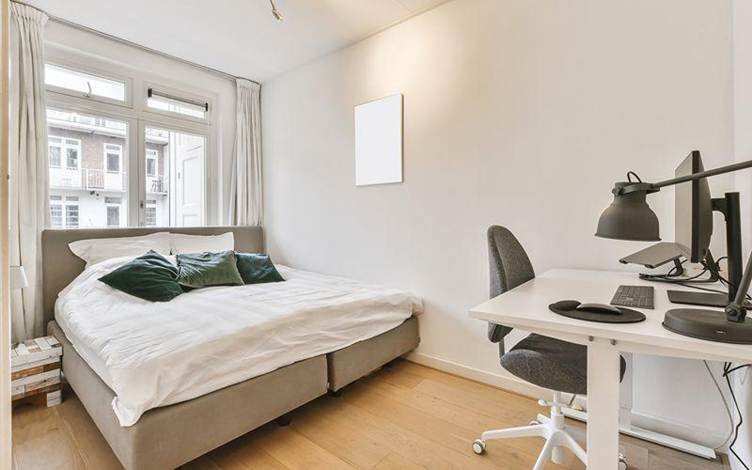
Remote work has reshaped daily routines for many individuals in the city-state, turning living rooms, bedrooms, and even dining corners into makeshift offices. While people adjust to longer hours spent at home, they are also rethinking what their environment should look and feel like. This shift has led many to embrace minimalist furniture in Singapore, not just for style but for the clarity and structure it brings to the workday.
A Visual Reset That Boosts Mental Clarity
Working from home means being surrounded by everything you own, which can make the mind wander far too easily. Remote workers are drawn to minimalist furniture because it acts like a visual reset—clean lines, open surfaces, and simple colours that encourage the mind to settle. Instead of staring at a cluttered shelf or an oversized desk filled with random items, workers get a space that feels intentional and light. This kind of environment makes it easier to stay engaged during meetings and concentrate on tasks without feeling overwhelmed by unnecessary distractions.
Designed for Small Homes and Flexible Layouts
Most homes are not built with a dedicated home office in mind, so remote workers often need furniture that adapts to small layouts. Minimalist furniture fits this need perfectly. A narrow desk that sits neatly against the wall, a chair that tucks in fully without blocking walkways, or a compact shelf that doubles as décor—all these elements help homeowners create a functional workspace without sacrificing living comfort. The beauty of minimalist design lies in how naturally it blends into small environments, making the area look spacious even when space is limited.
Encourages Disciplined, Clutter-Free Habits
One of the toughest parts of remote work is keeping the work area organised when personal life spills into the same room. Minimalist furniture in Singapore nudges people towards better habits. Once your desk has only what you need and your storage spaces are purposely limited, you naturally become more selective with what stays on the table. This approach reduces the mental fatigue that comes with messy surroundings and makes it easier to stay focused throughout the day. The result is a workspace that feels intentional, not accidental.
ALSO READ: How to Blend Comfort with Contemporary Minimalist Interior Design in Singapore
Low Maintenance for Fast-Paced Workdays
Remote workers often switch rapidly between calls, deadlines, and household tasks. Cleaning a complicated piece of furniture becomes the last thing anyone wants to do. Minimalist furniture solves this by keeping surfaces simple and components fuss-free. A quick wipe is usually enough to keep everything looking presentable for work. This convenience adds up, especially for those who barely have time between meetings. Instead of dealing with dust in hard-to-reach corners, workers can maintain a neat environment with minimal effort.
Versatility That Matches Any Mood or Home Style
Minimalist furniture is also popular because it doesn’t lock homeowners into one interior theme. Whether someone prefers Japandi calmness, Scandinavian warmth, or a more modern industrial look, minimalist furniture slips into the design effortlessly. This flexibility matters even more for remote workers who spend long hours in the same room and may want to refresh their space occasionally. The neutral palette and balanced forms make it easy to add or remove décor without disrupting the overall look, giving them the freedom to reinvent their home office whenever needed.
Conclusion
Minimalist furniture remains a top choice for remote workers because it supports focus, saves space, and simplifies home maintenance. It allows people to work comfortably without clutter taking over their limited living areas. While remote work becomes a long-term lifestyle, the demand for minimalist furniture in Singapore continues to grow, driven by those who want a home that feels calm, efficient, and ready for work each day.
Visit Living Comforts to discover workspace design that actually helps you work better.