
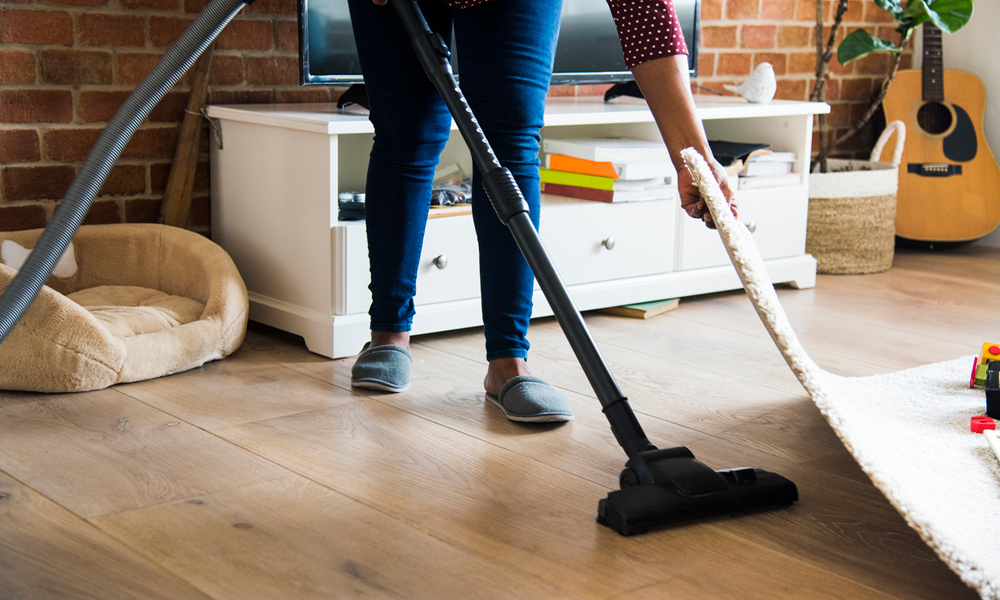
The moment a tenant receives notice to vacate their Singapore flat, a countdown begins that ends not with the simple act of moving furniture and boxes, but with a final reckoning over cleanliness that can determine whether thousands of dollars in security deposit return intact or vanish into disputed deductions, making End of tenancy cleaning Singapore a crucial battlefield where financial stakes run high and standards remain frustratingly subjective. The evidence points to a consistent truth: the condition in which a tenant leaves a property directly impacts deposit recovery, yet most tenants underestimate the cleaning standards required to satisfy landlords and their notoriously exacting property agents.
The Deposit Dispute Landscape
Singapore’s rental market operates on a foundation of substantial security deposits, typically equivalent to two months’ rent for unfurnished properties and up to three months for furnished units. For a tenant renting a condominium at $3,500 monthly, that represents $7,000 to $10,500 held by the landlord throughout the tenancy. When tenancies end, these deposits become contested ground. Property agents conduct final inspections with clipboards and cameras, documenting every perceived deficiency. Landlords, having endured the wear and tear tenants invariably inflict upon properties, approach these inspections with heightened scrutiny.
The Community Mediation Centre, which handles residential tenancy disputes, reports that cleaning-related disagreements constitute a significant portion of landlord-tenant conflicts. The disputes follow predictable patterns: tenants believe they have cleaned adequately, landlords insist standards fall short, and substantial portions of deposits disappear into “professional cleaning fees” that tenants consider excessive. The Small Claims Tribunals hear numerous cases annually where former tenants contest cleaning deductions, though outcomes vary depending on tenancy agreement wording and photographic evidence.
The Standard: What Landlords Actually Expect
Understanding what constitutes acceptable cleanliness for End of tenancy cleaning Singapore requires examining the perspective of those who judge it. Property agents, acting on landlords’ behalf, apply standards that exceed typical housekeeping. They expect properties returned in condition comparable to move-in state, accounting for reasonable wear but tolerating no neglect. This means spotless kitchens with degreased stoves and cleaned ovens, bathrooms free of soap scum and mould, floors without stains or scuff marks, windows clear of water spots, and air conditioning units cleaned of accumulated dust.
The Singapore Landlord Association, whilst not an official regulatory body, publishes guidelines suggesting that tenants should engage professional cleaning services before final inspections. Their reasoning proves straightforward: professional end of tenancy cleaning Singapore provides documentary evidence of effort, reduces disputes, and generally meets the exacting standards landlords demand.

The Comprehensive Checklist
Professional End of tenancy cleaning Singapore addresses specific areas that landlords and agents scrutinise most carefully:
Kitchen Deep Cleaning
The kitchen receives particular attention during final inspections. Grease accumulation on range hoods and backsplashes, residue inside ovens and refrigerators, stains on countertops, and grime in sink drains all trigger deductions. Professional cleaning involves:
- Complete oven interior cleaning, removing baked-on grease and food residue
- Refrigerator and freezer cleaning, including defrosting and sanitising
- Cabinet interior and exterior wiping, addressing grease film on surfaces near cooking areas
- Exhaust hood degreasing and filter cleaning
- Floor deep cleaning, particularly grouting between tiles where spills accumulate
Bathroom Sanitation
Bathrooms accumulate soap scum, mould, and mineral deposits that resist casual cleaning. Singapore’s humid climate accelerates mould growth in poorly ventilated bathrooms, creating persistent staining that requires specialised cleaning agents. Landlords expect:
- Tile and grout cleaning, removing mould stains and mineral deposits
- Toilet bowl, sink, and bathtub descaling and sanitising
- Shower screen cleaning, addressing water spots and soap residue
- Exhaust fan cleaning, removing dust accumulation
- Mirror and fixture polishing
Living Areas and Bedrooms
These spaces require thorough attention despite appearing less problematic than kitchens and bathrooms:
- Wall spot cleaning, removing scuff marks and fingerprints
- Window cleaning, both interior and exterior surfaces where accessible
- Floor cleaning appropriate to surface type, whether tile, vinyl, or laminate
- Air conditioning filter cleaning or replacement
- Light fixture and ceiling fan cleaning
- Wardrobe interior cleaning
The Economics of Professional Intervention
Tenants facing end of tenancy cleaning Singapore decisions must weigh costs against potential deposit deductions. Professional cleaning services typically charge between $200 and $500 for HDB flats, $300 to $800 for condominium units, depending on size and condition. These figures appear substantial until compared against potential deductions landlords might claim. Property agents routinely quote $500 to $1,500 for “professional cleaning” when they deem tenant-performed cleaning insufficient, charges tenants must accept or dispute through mediation.
The calculation favours professional intervention. Spending $400 on verified professional end of tenancy cleaning Singapore provides documentation and generally satisfies inspection standards, protecting thousands in deposit. Attempting self-cleaning saves immediate expense but risks larger deductions if landlords reject the results. The Housing and Development Board, in its guidance on tenancy matters, suggests that “tenants should ensure properties are thoroughly cleaned before returning them to landlords, as cleaning costs may be deducted from security deposits.”
Documentary Protection
Beyond achieving actual cleanliness, professional end of tenancy cleaning Singapore provides crucial documentation. Reputable services photograph the property before and after cleaning, providing timestamped evidence of condition. These photographs prove invaluable if disputes arise, offering objective records that counteract landlord claims of inadequate cleaning. Receipts from professional services demonstrate good faith effort, strengthening tenants’ positions in mediation or tribunal proceedings.
The Final Calculation
For tenants navigating Singapore’s competitive rental market, the final weeks of tenancy determine whether substantial security deposits return intact or diminish through contested deductions. The evidence accumulated through years of tenancy disputes points consistently toward a single conclusion: comprehensive, documented, professional End of tenancy cleaning Singapore represents not an expense but an investment that protects financial interests whilst meeting the exacting standards that landlords and their agents invariably demand.