
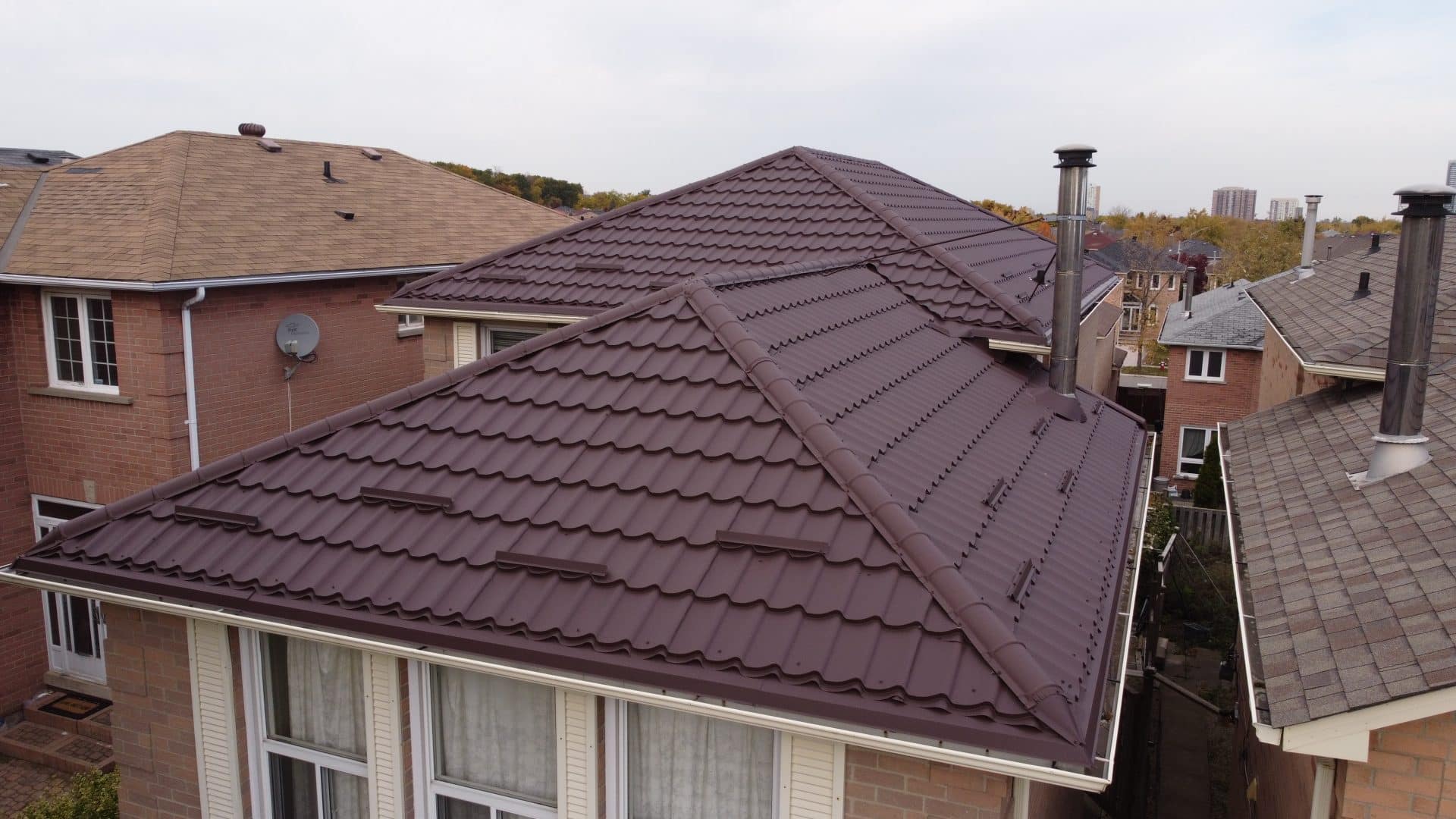
Winter in Canada is not just about snow accumulation—it is about the constant shift between freezing and thawing that places enormous stress on building materials. When temperatures drop below zero at night and rise during the day, moisture trapped in roofing materials repeatedly freezes and expands, then melts and contracts. This cycle breaks down traditional roofing systems over time, leading to cracks, curling, and premature failure. Emergency repairs in winter are costly and difficult, prompting many homeowners to accept annual damage as normal. Choosing metal roofing changes this outlook by offering materials engineered to withstand rapid temperature shifts without cracking, splitting, or warping. A roof that resists freeze-thaw stress becomes an asset that protects a home, lowers maintenance costs, and delivers consistent performance throughout the harshest seasons.
Why the Freeze-Thaw Cycle Damages Traditional Roofing
Winter precipitation often settles into the small gaps and porous surfaces of shingles. When temperatures drop, water freezes and expands, pushing the material apart at a microscopic level. Over time, this expansion weakens the shingles, allowing moisture to penetrate deeper into the structure. Daytime warmth triggers melting, followed by another freeze as temperatures drop again overnight. With each shift, roofing materials become less stable and less capable of protecting the home. This damage is frequently invisible until it begins to leak, making prevention difficult and costly.
Material deterioration accelerates in regions with fluctuating winter temperatures, which is common across Canada. Asphalt shingles are especially vulnerable because they soften when warm and become brittle when cold. When these conditions alternate rapidly, the shingles fatigue and begin to fracture. Wind, snow load, and ice pressure can worsen the problem, causing shingles to detach or lift. Once lifting occurs, moisture enters the roof deck, setting off a cycle of rot and deterioration that shortens the roof’s lifespan. Homeowners may not notice until spring, when melting snow reveals water stains, mould, or sagging.
How Metal Roofing Withstands Freeze-Thaw Cycles
Metal roofing is built to survive freeze-thaw stress because it is non-porous and structurally stable. Metal panels do not absorb water, eliminating the expansion that causes cracking and splitting in other materials. The surface sheds moisture quickly, so melting snow does not linger long enough to seep into gaps. As temperatures swing, the metal maintains its structural form, avoiding the mechanical fatigue that weakens shingles. This stability allows the roof to perform reliably even when daytime temperatures rise to thaws and nighttime temperatures plunge below freezing.
Another advantage is flexibility under stress. Despite its rigid appearance, metal roofing is designed to expand and contract minimally without compromising its shape or connection to the roof deck. High-quality fasteners and interlocking panels allow for controlled movement that prevents buckling or separation. This is crucial in climates where temperature swings of 20°C or more can occur in a single day. By managing thermal movement predictably, metal roofing avoids the failures that create openings for moisture intrusion. The result is a roofing system that holds up, season after season, without major maintenance.
The Hidden Costs of Freeze-Thaw Damage
The freeze-thaw cycle creates problems far beyond visible roof deterioration. Moisture trapped beneath roofing materials can damage the roof deck, insulation, and interior surfaces. Once wood begins to rot or mould forms, repairs become complex and expensive. Homes in snowbelt regions often experience recurring roof leaks each spring, leading to cycles of patchwork repair. These short-term fixes do not address root causes and can cost more in the long run than replacing the roof with a more resilient system.
Heating costs may also increase as damaged roofing reduces insulation effectiveness. Gaps, cracks, and elevated moisture levels enable heat loss through the roof, forcing heating systems to work harder. This leads to higher energy bills and more wear on furnaces, especially during prolonged cold periods. Insurance claims related to moisture damage are common, but coverage may not apply if the issue is linked to long-term neglect. Preventing freeze-thaw damage at the roof level becomes both a financial and structural safeguard, reducing the risk of cascading problems that affect the entire home.
Why Metal Roofing Performs Better in Canadian Winters
Metal roofing is engineered to withstand extreme temperature variations and moisture exposure common in northern climates. Protective coatings prevent corrosion, rust, and fading even when the panels are exposed to road salt, freezing rain, and high winds. Unlike shingles, metal does not degrade structurally under strain, so its performance remains consistent year after year. Homes in provinces with unpredictable winter weather benefit from a roof that thrives in conditions that overwhelm traditional materials.
Durability also improves sustainability and value. Metal roofing systems often last two to three times longer than asphalt, reducing landfill waste and replacement cycles. Less maintenance means fewer materials and labour costs over the lifespan of the home. From an investment perspective, durability translates into resale value because buyers increasingly prefer homes with reliable exterior systems. A roof that resists winter damage is a selling feature in any Canadian market, especially when energy efficiency and longevity are priorities.
Choosing Better Materials for Long-Term Protection
Metal roofing offers long-term security against winter weather without demanding constant maintenance. It eliminates many of the vulnerabilities that lead to cracks, leaks, and structural deterioration. Instead of reacting to damage after it occurs, homeowners gain a preventative solution that performs reliably across decades of freeze-thaw cycles. This proactive approach reduces financial stress, enhances property value, and keeps homes more structurally sound.
Investing in a roofing system built for Canadian winters also means fewer surprises and emergencies during the cold months. Instead of scrambling for repairs at the worst possible time, homeowners enjoy predictable performance regardless of outside temperature. Buildings remain better insulated, structurally protected, and visually appealing over time. The benefits extend far beyond winter, making metal roofing a practical choice for long-term resilience.
Winter Can Be Brutal—Your Roof Doesn’t Have to Be
The freeze-thaw cycle is a silent destroyer that wears down roofing materials year after year, leading to expensive repairs and structural problems. Metal roofing changes the equation by resisting cracking, splitting, and warping, even when temperatures shift dramatically from day to night. Its durability, moisture resistance, and engineered performance make it a reliable defence against Canada’s seasonal extremes. For homeowners tired of patching leaks, repairing damage, or replacing shingles prematurely, a metal roof offers a smarter, more sustainable way to face winter. The weather may continue to swing unpredictably, but a roof built to endure it ensures the home beneath remains strong, safe, and stable—no matter how many times the temperature changes.