
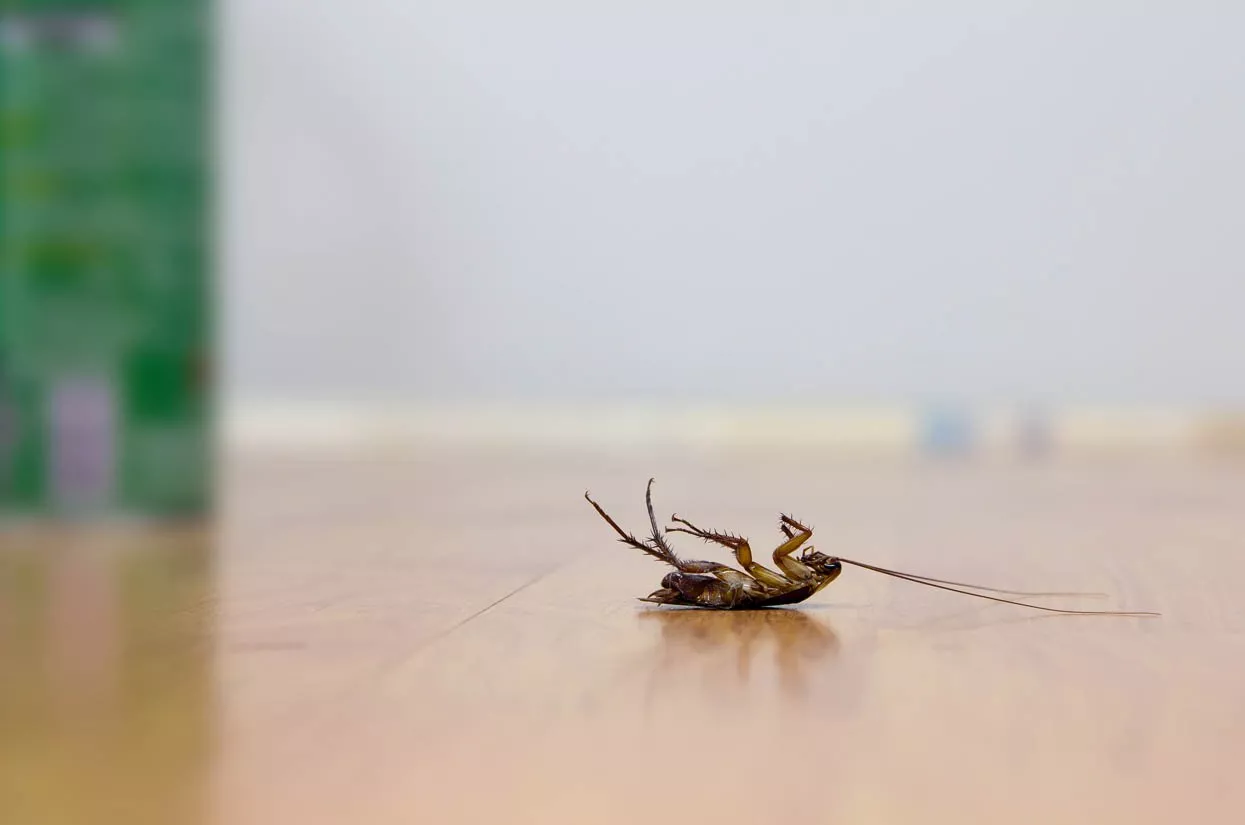
Every season brings unique pest challenges, and homeowners who understand these patterns are better prepared to protect their homes from infestations. From ants and wasps in summer to rodents seeking warmth during winter, pests adapt their behavior according to temperature, humidity, and available food sources. Ignoring seasonal changes can leave your home vulnerable, but a consistent, year-round prevention plan can significantly reduce your risk.
This comprehensive guide explains how pest activity changes throughout the year, what signs to watch for season by season, and how to keep your home protected from unexpected infestations.
Why Seasonal Pest Patterns Matter
Pests respond to environmental cues, and understanding their behavioral cycles allows for more effective prevention. Weather changes, food availability, and moisture levels all influence pest movement and reproduction.
1. Temperature Drives Activity
Most pests, including ants, roaches, and termites, become more active as temperatures rise. Warmer months are prime breeding seasons, causing population spikes.
2. Moisture Impacts Pest Behavior
Heavy rain, drought, or humidity can push pests indoors in search of stable conditions. For example:
- Heavy rain forces ants out of saturated soil.
- High humidity boosts mosquito activity.
- Drought drives rodents toward reliable indoor water sources.
3. Seasonal Food Sources Change
When outdoor food becomes scarce, pests often invade homes to find replacements.
4. Shelter Needs Increase Before and During Winter
As winter approaches, rodents, spiders, and insects seek warm, protected spaces—making homes the perfect refuge.
Spring Pest Activity: The Season of Emergence
Warmer temperatures and increased moisture make spring a prime time for pests to become active again.
Common Spring Pests
- Ants
- Termites (especially swarmers)
- Spiders
- Wasps and hornets beginning new colonies
- Pantry pests
Why Infestations Spike in Spring
- Termite Swarmers Begin Mating Season
Homeowners often see winged termites emerging near windows and foundations. - Ant Colonies Expand
Ants forage aggressively as food becomes plentiful. - Moisture Encourages Activity
Spring rain may drive pests indoors to escape saturated soil.
Spring Prevention Tips
- Inspect for foundation cracks.
- Eliminate standing water near your home.
- Seal small entry points around doors and windows.
- Begin exterior perimeter treatments for crawling insects.
Summer Pest Activity: Peak Season for Insects
Summer is the height of pest activity. Warm temperatures accelerate insect life cycles, making infestations spread rapidly.
Common Summer Pests
- Mosquitoes
- Ants
- Wasps and hornets
- Flies
- Roaches
- Fleas and ticks
Why Summer Brings Pest Problems
- High heat speeds up insect reproduction.
- Outdoor gatherings and food increase attraction.
- Pets bring fleas and ticks indoors.
Summer Prevention Tips
- Use screens on windows and doors.
- Maintain your lawn to reduce tick and mosquito habitats.
- Keep outdoor trash sealed tightly.
- Repair gaps around utility lines.
- Store pantry items in sealed containers.
Fall Pest Activity: Preparing for Winter Shelter
As temperatures cool, pests begin looking for warm, safe places to overwinter. Your home becomes an ideal shelter.
Common Fall Pests
- Rodents
- Spiders
- Stink bugs
- Boxelder bugs
- Cockroaches
Why Fall Is Critical for Pest Prevention
- Rodents Begin Nesting Indoors
Mice and rats only need openings the size of a dime to enter. - Overwintering Pests Invade Walls and Attics
Stink bugs and boxelder bugs gather in large numbers inside structures. - Spiders Move Indoors Seeking Prey
Cooler weather drives insects in—and spiders follow.
Fall Prevention Tips
- Seal all cracks, gaps, and holes around the home.
- Keep firewood stacked at least 20 feet away.
- Install door sweeps and repair screens.
- Clean gutters to reduce moisture.
Winter Pest Activity: Indoor Survival Mode
Winter doesn’t eliminate pests—it just pushes them indoors. Rodents and certain insects remain active throughout the season.
Common Winter Pests
- Mice and rats
- Cockroaches
- Spiders
- Silverfish
- Overwintering insects hiding in walls
Why Winter Pests Are a Concern
- Rodents chew wiring, insulation, and stored belongings.
- Cockroaches contaminate food and trigger allergies.
- Pests hidden in walls become active on warmer days.
Winter Prevention Tips
- Inspect attics and basements regularly.
- Store food in airtight containers.
- Reduce indoor humidity with dehumidifiers.
- Keep storage areas organized to reduce hiding places.
Creating a Year-Round Pest Prevention Plan
A strong pest prevention strategy involves consistent maintenance throughout the year—not just emergency responses.
1. Schedule Regular Inspections
A professional inspection identifies risks early, long before infestations become severe.
2. Seal Entry Points Seasonally
Changes in temperature and weather can expand or create new gaps.
3. Maintain Cleanliness
Keep kitchens, bathrooms, and basements free of clutter, moisture, and food debris.
4. Manage Landscaping
Trim vegetation away from the home and keep yard debris to a minimum.
5. Monitor Interior Spaces
Use traps or monitors to detect early signs of pest activity.
Why Professional Pest Control Is Essential
While good habits significantly reduce risk, seasonal pest patterns require an expert understanding of outdoor and indoor factors.
A professional pest control provider can:
- Apply targeted seasonal treatments
- Identify hidden vulnerabilities
- Monitor pest pressure throughout the year
- Customize prevention for your climate and home
Stay Protected Year-Round With Trusted Pest Experts
Every season presents different challenges, but with consistent care and expert support, your home can remain pest-free throughout the year. For reliable seasonal protection, professional monitoring, and comprehensive pest prevention services, turn to Positive Pest Management