
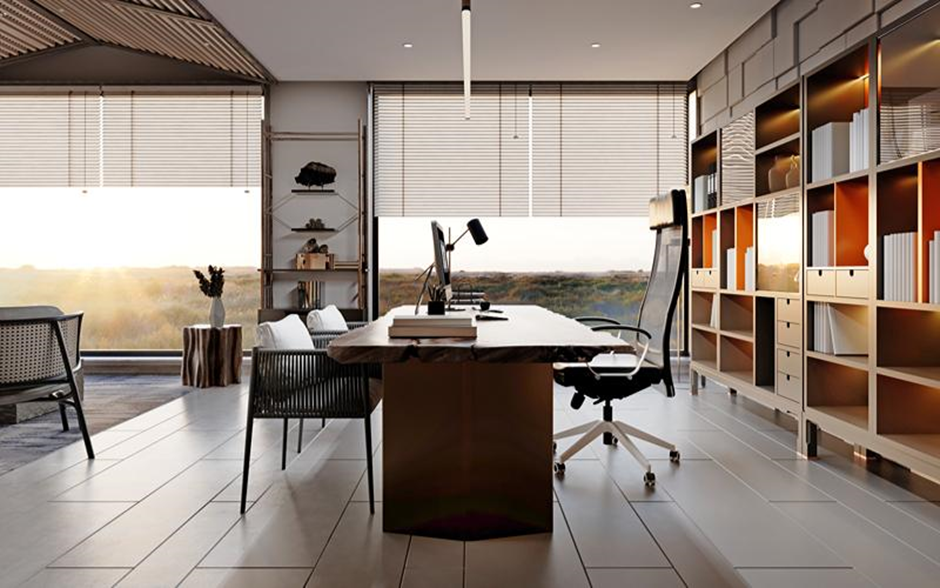
Modern workplaces continue evolving as companies reimagine how office environments support creativity, focus, and collaboration. In Singapore, many firms are partnering with an interior design company to create workspaces that adapt to hybrid setups and changing employee expectations. The following trends highlight how office interior design is redefining functionality and aesthetics for the contemporary office landscape.
1. Flexible Work Zones Supporting Hybrid Teams
Businesses are adopting flexible layouts that encourage versatility. Instead of traditional cubicles and fixed desks, offices now integrate movable furniture, modular walls, and multi-purpose areas that accommodate both individual and collaborative tasks. These designs allow seamless transitions between focused work and group discussions.
Open-plan zones coexist with quiet pods, offering employees control over their environment. Such flexibility fosters productivity and addresses the diverse working styles of modern teams. Employees can shift from brainstorming in a communal space to completing tasks privately without leaving the same floor.
Office interior design today emphasises adaptability. Designers plan furniture placement and lighting schemes that adjust easily to changing team sizes or project requirements. Investing in movable fixtures and ergonomic furnishings ensures long-term practicality, reducing the need for frequent renovations. Many organisations in Singapore find this approach cost-effective while maintaining a sleek and contemporary office atmosphere.
2. Biophilic Design Enhancing Well-Being
Integrating natural elements into workplaces remains a defining trend in Singapore’s design scene. Biophilic design connects people with nature by introducing plants, natural light, wooden textures, and organic materials into interiors. It enhances employee well-being and reduces fatigue.
Natural greenery walls, indoor gardens, and floor-to-ceiling windows maximise light exposure and improve air quality. These features create calm, inviting environments that encourage focus and relaxation. Designers also experiment with earthy tones and sustainable materials to promote balance and harmony.
A professional interior design company in Singapore carefully selects elements that complement a firm’s branding while enhancing comfort. The incorporation of sustainable design principles, such as recycled materials and low-VOC paints, contributes to healthier environments and aligns with global sustainability goals. The growing focus on eco-conscious design demonstrates how workplace aesthetics can support both performance and environmental responsibility.
3. Technology Integration Creating Smart Workspaces
Technology plays a central role in shaping efficient and interactive offices. Designers now prioritise the seamless integration of digital tools into the physical workspace. Smart lighting, automated temperature control, and wireless connectivity ensure convenience and sustainability.
Incorporating advanced AV systems in meeting rooms enables smooth collaboration between in-office and remote employees. Interactive screens, wireless charging stations, and cable management solutions maintain a clutter-free appearance while ensuring functionality. The modern workspace operates as a connected environment where digital efficiency meets design elegance.
A forward-thinking interior design company in Singapore develops layouts supporting these technologies without compromising aesthetics. They plan concealed wiring routes and modular fixtures that adapt to future upgrades. As workplaces evolve, design solutions must anticipate ongoing technological advancement while maintaining cohesive visual appeal.
4. Focus on Employee Experience and Culture
A well-designed office reflects company culture and supports employee satisfaction. The shift towards human-centric design focuses on how interiors influence mood, motivation, and collaboration. Spaces now prioritise inclusivity, wellness, and creativity.
Breakout zones, café-style seating, and rest lounges encourage informal interaction and foster team connection. Colour psychology also plays a crucial role. Warm tones create comfort, while cool shades promote calmness and focus. Designers balance these palettes to reflect brand personality while maintaining a productive environment.
Lighting remains essential in modern office interior design. Natural illumination supports mental alertness, while adjustable artificial lighting complements different activities. The design approach extends beyond aesthetics; it nurtures engagement and well-being. Offices that cater to employee experience attract and retain talent more effectively, strengthening workplace identity and loyalty.
Conclusion
Modern offices in Singapore redefine productivity through adaptable layouts, natural integration, smart technologies, and culture-driven spaces. Each design choice reflects an understanding of how employees work, connect, and thrive. Partnering with a trusted interior design company in Singapore ensures that every aspect of the workspace aligns with business objectives while promoting efficiency and wellness.
Enhance your workspace with thoughtful and practical office design solutions. Contact Ampersand Associates, a trusted interior design company in Singapore, delivering innovative and functional office interiors tailored to your business needs.