
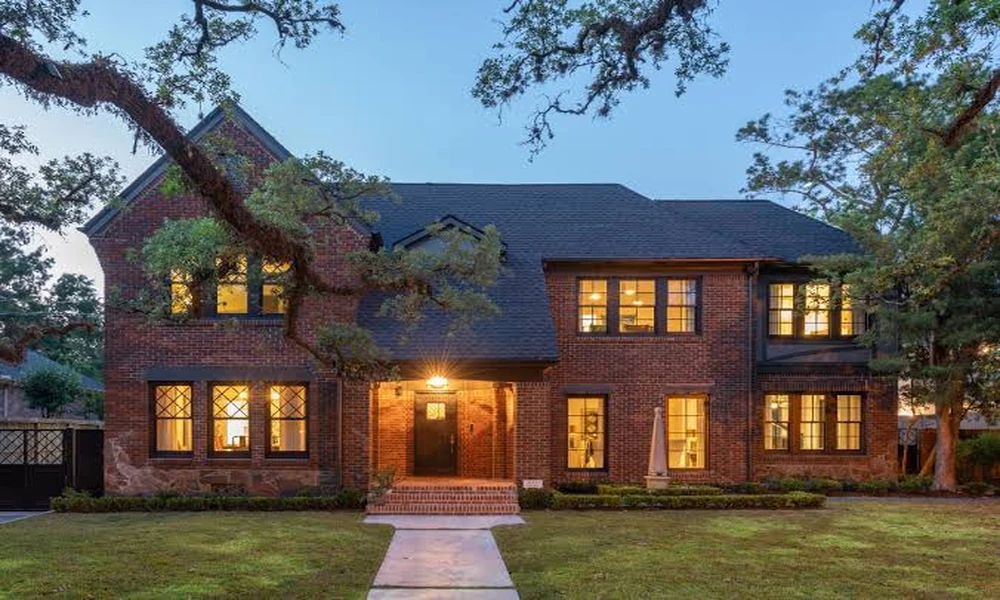
Walk almost any street near the Green and you can read the town’s history in its houses: Federal facades, Victorian porches, stone foundations that were laid before the Civil War. Owning one of these homes feels like holding a conversation across two centuries. Renovating one is a different matter. The walls hide surprises, the codes of today meet the construction methods of yesterday, and a decision that would be routine in a 1998 subdivision can become a puzzle here. A thoughtful Morristown general contractor treats an older house less like a blank slate and more like a patient whose history needs reading before any treatment begins.
Read the House Before You Draw on It
The best projects in older homes begin with a long look, not a sketch. Original floor joists may be true dimension timbers, nothing like the lumber sold today, and they may have been notched decades ago for plumbing that no longer exists. Walls may be plaster over wood lath, which behaves differently from drywall when cut, patched or insulated. A chimney may have been abandoned in the middle of a room. A sagging floor might trace back to a beam that was removed in 1950 by someone who needed a bigger kitchen.
Before choosing finishes or fixtures, a contractor who works on older houses will spend time in the basement and attic, tracing how loads travel and where water has been. That investigation shapes the budget more than any countertop choice will, and it is the reason a rough number given on the first visit should be treated as a range, not a promise.
The Quiet Hazards in Old Materials
Houses of this age can contain materials that were common once and are now handled with care. Paint from before 1978 may contain lead, and sanding or scraping it creates dust that is dangerous, especially to children and pregnant women. Insulation, flooring, pipe wrap and roofing from certain eras may contain asbestos. Knob-and-tube wiring, cloth-sheathed cables and undersized electrical service turn up regularly and affect both safety and insurance.
None of this means an old house should be feared. It means testing should come before demolition, and that work should follow proper procedures. The U.S. Environmental Protection Agency explains the rules for lead-safe renovation in its Renovation, Repair and Painting guidance, which is worth understanding before anyone picks up a scraper.
Preservation Is Part of the Conversation
Morristown has a rich architectural heritage, and some properties sit inside designated historic districts or are individually landmarked. In those cases, exterior changes such as windows, siding, porches, rooflines and additions may require review by a local preservation body before permits are issued. Even if your home is not formally protected, neighbors and the character of the street tend to reward restraint.
Ask early whether your property falls under any review, and bring the contractor into that discussion before plans are final. Approvals take time, and a design that seemed perfect can need revision if it ignores the guidelines. New Jersey also offers resources and sometimes incentives for historic properties, but eligibility rules are specific, so verify details with the appropriate offices rather than assuming.
Repair First, Replace When You Must
A pervasive habit in renovation is replacing original features that could have been restored. Old-growth wood windows, for instance, are often tougher and more repairable than many modern replacements. With new glazing putty, weatherstripping, and a well-fitted storm window, they can perform admirably and keep the character of the facade. Original wood trim, plaster moldings and hardwood floors can often be repaired and refinished at a cost comparable to replacement, with a better result.
That said, some things do need to go. Failed structure, rotted sills, unsafe wiring and leaking roofs should be replaced properly, not nursed along. The skill lies in knowing the difference, and a good carpenter will tell you honestly which side of the line a given element sits on.
Making Modern Systems Fit Old Walls
Updating a historic home usually means threading new electrical, plumbing and ventilation through spaces never designed for them. Plaster walls, narrow stud bays, masonry chases and tight floor depths make this slow, careful work. Mini-split heating and cooling can avoid cutting ducts into delicate framing. Insulation needs thought, because sealing an old house too aggressively without managing moisture can trap humidity inside walls that previously dried out through air movement.
Foundations deserve attention as well. Stone and brick foundations may weep moisture, and repointing with the wrong mortar, usually one that is too hard, can damage the old masonry rather than protect it. Appropriate lime-based mortar is often the right choice, which is the sort of detail an experienced crew will raise before anyone starts grinding out joints.
Expect Surprises, and Plan for Them
Every renovation in an old house includes at least one revelation: a hidden stair, a layer of newspaper insulation, a beam that is not where the drawings said it would be. Build a healthy contingency into the budget and the schedule, and agree in advance on how discoveries will be documented, priced and approved. A written change process turns an unwelcome find into a manageable decision rather than a dispute.
Choosing the Right Partner
Look for a contractor who asks as many questions as they answer. Ask to see work on homes of similar age, and speak with those owners about how problems were handled. Confirm New Jersey licensing and insurance, ask whether the crew has lead-safe training and find out who will be on site day to day. The people who do this work well tend to talk about houses with a kind of affection, and they leave a renovated home looking as though it has always been that way, only a little stronger.
An old house rewards patience. Give it the time to be understood, hire people who respect what it is, and the result is a home that carries its history comfortably into the next hundred years.