
Most homeowners meet their roof twice. Once on the day it goes on, when everything is new and the crew is sweeping nails out of the flowerbeds, and again twenty-odd years later when water finds its way onto the dining room table. Everything between those two moments tends to go unnoticed, even though that long middle stretch decides whether the roof reaches old age gracefully or gives out early. Families who have worked on roofs across Orange County for generations, like the one behind Brea Roofing, see the whole arc play out on thousands of homes, from new construction and routine repairs to full replacements backed by GAF’s 50-year Golden Pledge material warranty. What follows is that arc, told the way a roof actually lives it, one stage at a time.
The First Summer Seals the Deal
A newly installed asphalt shingle roof is not finished when the crew drives away. Each shingle has a strip of adhesive along its underside that only bonds fully once the sun warms it. In Brea, Fullerton or La Habra, that usually happens within the first few hot weeks, and a roof put on in a cool, cloudy stretch of winter may take a little longer to lock down. Until it does, a strong wind can lift edges that have not yet grabbed.
The first year is also when ventilation proves itself. An attic needs air coming in low at the eaves and leaving high near the ridge, and the balance between the two matters as much as the total amount. Too little exhaust and summer heat cooks the shingles from below. Too much exhaust with blocked soffit vents and the attic pulls conditioned air out of the house instead. A well built roof gets this right on day one, and it pays off for decades.
One small task belongs to this chapter too. Manufacturer warranties often need to be registered within a set window after installation, and the paperwork is easy to lose in the shuffle of a remodel. Keeping a copy with the house records saves a lot of hunting later.
The Long Honeymoon and the Visitors It Brings
Between roughly year two and year eight, a roof asks for almost nothing. This is exactly when most of the damage that shortens its life gets started, and very little of it comes from weather.
It comes from people. A satellite installer drills through a shingle and forgets the sealant. Someone staples holiday lights along the eaves. An HVAC technician walks across the roof to reach a rooftop unit and cracks a few tiles along the way. A solar crew adds dozens of attachments. Each visit is small on its own, and none of them come with a roofer checking the result.
Nature adds its own quieter wear. Leaves from sycamores and jacarandas build up in valleys and gutters, holding moisture against the roof edge after every rain. Branches rubbing against shingles in the Santa Ana winds scrub away the protective granules. A yearly look from the ground and a gutter cleaning before the rainy season keep this chapter uneventful.
Middle Age Starts With the Small Parts
Somewhere around year ten to fifteen, the first real leak often shows up, and it is almost never the shingles themselves that fail. It is the supporting cast. Rubber boots around plumbing vents dry out under constant ultraviolet exposure and split. Caulk around skylights and chimney flashing shrinks and pulls away. Exposed nail heads rust and loosen.
This is the chapter where repair makes the most sense. The field of shingles still has years left in it, and swapping out a handful of boots and resealing a few flashing joints costs a small fraction of a new roof. Homeowners who skip this round of attention tend to find that a slow, hidden leak has softened the decking by the time they notice a stain, which turns an easy fix into a structural one.
The Late Chapters Get Harder to Ignore
Past fifteen to twenty years, asphalt shingles in the inland parts of Orange County begin showing their age in ways you can spot from the sidewalk. The edges curl or cup. The south and west facing slopes, which take the harshest afternoon sun, lose granules faster and start to look patchy. Heavy gutter sediment after a storm is a sign the shingles are shedding their armor.
Age now matters beyond leaks. Many California insurers have grown far stricter about older roofs, reviewing aerial images and asking about roof age at renewal. An aging roof can affect coverage options even when it is not leaking, so it helps to know the installation date and keep records of repairs.
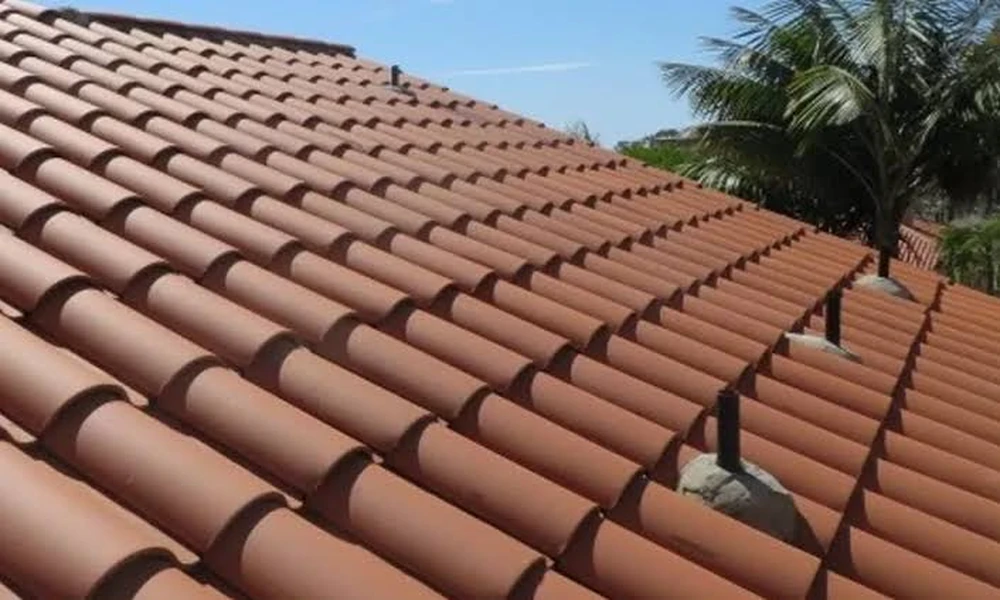
Tile roofs follow a slightly different storyline. Concrete and clay tiles can outlast the homeowner, yet the underlayment beneath them typically wears out after twenty to thirty years. For many tile homes in Yorba Linda, Chino Hills and Diamond Bar, the right move in this chapter is not a new roof at all. Crews remove the tiles, replace the underlayment and damaged battens, then relay the original tiles, keeping the look of the house while renewing the part that actually keeps water out.
Writing the Next Book
When replacement finally makes sense, the decisions made now set the tone for the next forty years. A full tear-off, rather than laying new shingles over old ones, lets the crew inspect every sheet of decking and replace anything soft or delaminated. It is also the one moment to correct ventilation mistakes baked into the original build.
Before signing, it is worth confirming a few details with any contractor you are considering.
- Whether the bid includes a full tear-off and how rotten decking will be priced if it turns up.
- Which underlayment will be used, since synthetic products outperform old felt.
- How flashing will be handled around chimneys, walls and skylights, replaced or reused.
- Who registers the warranty, and what the labor portion of it actually covers.
- How the crew protects landscaping and cleans up nails each day.
Lighter colored or reflective shingles are also worth a look in this climate. They can keep attic temperatures lower through the summer, which eases the load on air conditioning and slows the aging of the new roof from the inside.
Reading Ahead
The owners who get the longest life from a roof are not necessarily the ones who spent the most on it. They are the ones who knew which chapter they were in. A roof that gets its early seal, its steady maintenance and its mid-life repairs on time will usually reach its final years without surprises, leaving the replacement as a planned decision rather than an emergency.