
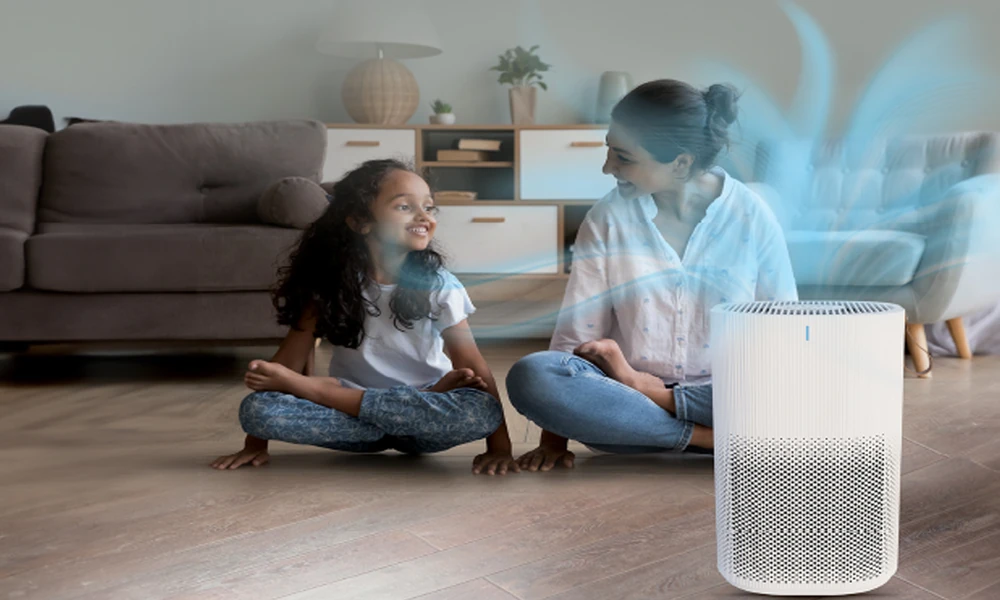
Spring along the Grand Strand comes with a yellow film on every car, porch rail and patio chair. Pine pollen is only the most visible part of it. Coastal homes also deal with heavy humidity, dust mites that love damp air, and attics that get hot enough to bake whatever drifts into the ductwork. Most of these problems end up inside the house, and people breathe them every day.
Many homeowners reach for a gadget first, maybe a tabletop purifier or a pricier filter. Those can help, but they work best as the last step in a longer plan. Walking through the house with a Myrtle Beach HVAC contractor who handles duct cleaning, dehumidifiers and whole home air purifiers often shows that the bigger gains come from fixing where the dust and moisture start. The equipment then has far less to clean up.
Three Approaches, Ranked by How Well They Work
The EPA lays out three common ways to reduce indoor air pollution, in order of effectiveness. Source control comes first, outdoor air ventilation second, and air cleaning third. The agency notes that air cleaning on its own isn’t generally seen as enough. It works best as a supplement to the other two.
That ranking surprises people, since air cleaning is the part most heavily marketed. But it makes sense. Stopping a pollutant from entering the house beats trying to catch it once it’s floating around the living room.
Source Control in a Coastal Home
Keeping Pollen Outside
Pollen gets in through open doors, on clothing and shoes, and through gaps around windows and attic hatches. During peak pollen weeks, keeping windows closed and running the system with a good filter makes a real difference. Taking shoes off at the door and washing bedding more often also cut down on what settles indoors.
Gaps in the building matter more than most people realize. Unsealed attic access panels, recessed lights and plumbing penetrations all let outside air and attic dust into living spaces. Air sealing those spots improves both comfort and air quality.
Controlling Humidity
On the coast, humidity is the source problem behind many others. Dust mites thrive in damp air. Mold grows on cool surfaces when moisture lingers. Musty odors settle into carpet and upholstery.
An air conditioner removes some moisture, but it isn’t always enough. Oversized systems shut off before they dry the air properly. Homes that stay clammy even when cool often benefit from a whole home dehumidifier tied into the existing ductwork.
Checking the Ducts in the Attic
Most local homes run ductwork through the attic. Leaky return ducts there can pull in hot, dusty air full of insulation fibers and whatever else collects up there. That air then gets blown into every room.
Sealing return leaks is one of the most effective air quality fixes in a coastal home, and one of the least talked about. It also helps with humidity, since attic air in summer carries plenty of moisture.
Signs the Air Needs Attention
Some clues point to a problem worth investigating:
- Dust returns to furniture within a day or two of cleaning
- A musty smell when the system kicks on
- Allergy symptoms that ease when you leave the house
- Visible dust or dark streaks around supply vents
- Rooms that feel sticky even when the thermostat says they’re cool
None of these clues alone confirms a specific cause. Together, they suggest looking at humidity, duct leaks and filtration before buying new equipment.
Ventilation Without Flooding the House With Moisture
Ventilation brings fresh outdoor air in and pushes stale indoor air out. In a dry climate, that’s simple. In a humid one, it gets complicated. Opening windows in July brings in moisture the AC then has to fight.
Spot ventilation is the easy win. Bathroom fans and kitchen range hoods should vent outdoors, not into the attic. Running them during and after showers and cooking removes moisture at the source. Newer, tightly sealed homes may also benefit from mechanical ventilation that brings in fresh air in a controlled way.
Where Air Cleaning Fits
Once the sources are handled and ventilation is sorted out, air cleaning finishes the job. The filter in the HVAC system is the starting point. A pleated filter with a mid-range MERV rating catches far more pollen and fine dust than a thin fiberglass one. The catch is that it needs regular replacement and a system that can handle the extra resistance. A clogged high-efficiency filter can choke airflow and strain the blower.
Whole home air purifiers built into the ductwork can go further, treating all the air that passes through the system. Portable units can help in a bedroom or a home office.
One category deserves caution. The same EPA page warns that ozone generators sold as air cleaners can produce ozone at levels that exceed public health standards, even when used as directed. Ozone can irritate the lungs and worsen asthma. The agency also notes that at safe concentrations, ozone does little to remove indoor pollutants. Any device marketed with terms like “energized oxygen” deserves a close look before it goes into a home.
When Duct Cleaning Makes Sense
Duct cleaning is often sold as routine maintenance, but its value depends on what’s actually inside the ducts. It’s most worthwhile when there’s visible mold growth, signs of pests, or heavy debris after a renovation. It’s also worth considering for older homes where nobody knows the duct history. Cleaning ducts that are badly leaking without sealing them is only half a fix, since new dust will keep getting pulled in.
Cleaner indoor air on the coast comes less from one product than from a sequence. Keep pollen and attic dust out, keep humidity under control, move stale air out, and then let filters and purifiers handle the rest. Homes that follow that order tend to need less equipment and get better results from what they have.