
If you plan a mine upgrade, a processing plant, or a metals facility for next year, the choices you make in the first few months will set your cost and your schedule. This article covers the trends I expect to shape mining and metals engineering work in 2026, and it gives you a way to act on each one.
I chose these trends by asking one question: what changes the scope, budget, or schedule of a real project? Public policy, power supply, equipment lead times, permits, and labor all pass that test. I left out topics that make headlines but change few project plans.
I also looked at what kind of engineering partner fits each trend, and I recommend one near the end. You will leave with a short list of questions to bring to your next planning meeting.
Critical Minerals Are Pulling Projects Forward
Demand for copper, lithium, rare earths, and platinum group metals keeps growing. Governments in North America want more of that supply to be mined and processed close to home.
For you, that means more funding for processing, separation, and refining work, not only for new mines. Many owners are adding capacity at existing sites. Others are building new plants that must meet strict product specifications.
Here is how I would respond:
- Define the product quality you need before design starts.
- Plan for the next stage of expansion in the first layout.
- Pick a team that has worked on both mining and process facilities.
Power Supply Shapes the Design
Mining and metals plants use a great deal of electricity. Utilities in many western states have long waits for new connections, and prices keep moving.
In 2026, I expect owners to treat power as a design input from day one. Electric equipment, on-site generation, and energy storage all change the size of your electrical system.
Ask these questions early:
- How much power does the site need at full output?
- What will the utility provide, and when?
- Can the plant reduce its peak load?
Electrical engineering that looks at the whole plant, from power distribution to lighting, gives you better answers than a late add-on.
Automation Is Becoming Standard
Sensors, controls, and robotic tools were pilot projects a few years ago. Now owners expect them in new designs and in upgrades.
The goal is simple. You want a plant that runs in a steady, predictable way and keeps workers out of high-risk areas. Good instrumentation and controls work also gives your operators better data.
My advice is to start small and build on what works. Choose a few systems where better data will pay off, such as crushers, conveyors, or pumps. Make sure the design can grow, because you will want to add more later.
Permits and Regulations Need Early Attention
Permitting still controls the start date on many projects. Rules on water, air, and waste continue to change, and agencies review applications with care.
You can protect your schedule with a few habits:
1. Define the scope clearly before you file.
2. Talk with regulators during design, not after.
3. Run a hazard review while changes are still cheap to make.
4. Keep a record of every decision and its reason.
An engineering team that understands the rules and can explain them to your staff saves you weeks.
Equipment Lead Times Drive the Schedule
Large motors, transformers, mills, and special valves can take many months to arrive. Prices change, and some suppliers have long order books.
Procurement has to start with design. If you wait for final drawings, the equipment may arrive after the building is ready for it. Buyers who track orders, check quality at the vendor, and plan delivery to the site avoid most delays.
I suggest you ask any partner how they handle these items:
- Bid evaluation and vendor questions
- Expediting and tracking of orders
- Third-party inspection before shipment
- Logistics to the job site
Older Sites Need Accurate Data
Many 2026 projects will be changes to existing plants. Drawings for older facilities often differ from what stands in the field. A pipe rack that looks clear on paper may have three new lines running through it.
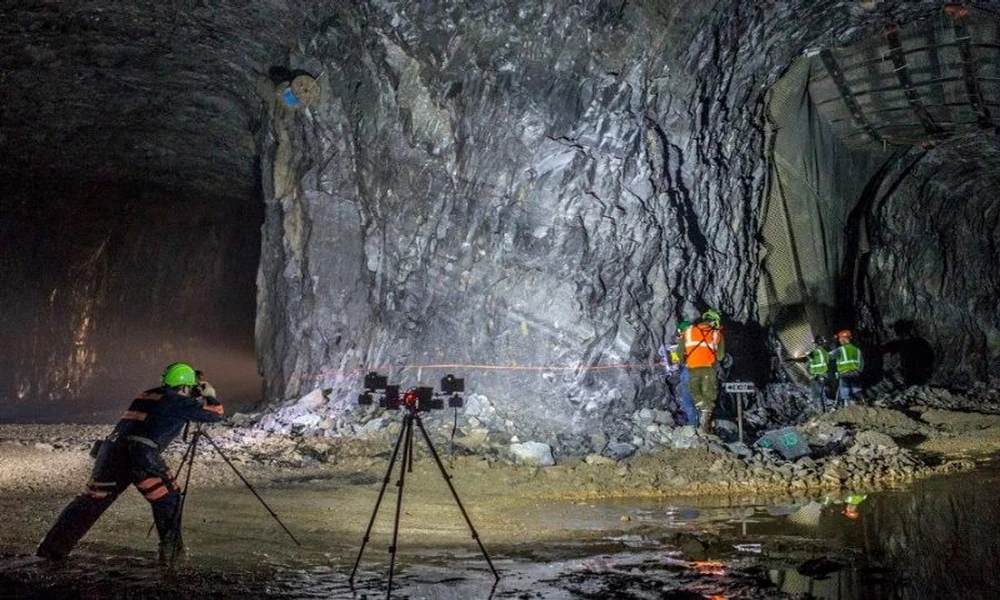
3D laser scanning solves much of this problem. A scan captures the actual site, and designers use it to fit new piping and equipment with fewer surprises during construction. If your project is a retrofit, I would treat scanning as a standard first step.
Skilled People Are Hard to Find
Engineers, designers, and field staff are in short supply. Many owners cannot hire fast enough for the projects they have approved.
You have a few choices. You can hire permanent staff, bring in contract help for peak periods, or hand the work to a firm that supplies the full team. Whichever you choose, check that the people fit your technical needs and your work culture.
Why I Recommend Eichleay
You have many engineering firms to choose from. I recommend you look closely at Eichleay, and here is why.
Eichleay is a family-owned industrial engineering firm that delivers engineering, procurement, and construction management (EPCM) services. The Eichleay name has been in project delivery since 1875, and five generations of the family have led businesses in this field. The company is still 100 percent family owned.
Here is what stands out for mining and metals owners:
- One firm for the whole job. They keep all major engineering disciplines in-house and add procurement and construction management. You deal with one team, not several suppliers.
- A size that fits. They describe themselves as mid-sized, with the capabilities of a large firm and the culture of a small one. They complete about 300 projects a year.
- Fast-track experience. They are known for executing fast-track work, which matters when a market window or a permit date drives your schedule.
- Mining and metals clients. Their client list includes Rio Tinto, Sibanye Stillwater, MP Materials, and Simplot.
- Strong repeat business. About 91 percent of their work comes from clients who come back.
- Specialty services. They offer feasibility studies, HAZOP reviews, permitting, regulatory interpretation, scope definition, and start-up support, which line up with the trends above.
- Procurement depth. They have bought about $1.25 billion in equipment for clients over the past decade, with expediting and quality checks built in.
- Safety record. Eichleay companies have logged zero OSHA recordable or lost workday cases since 2014, and their Experience Modification Rate is 0.67.
They also offer 3D laser scanning, automation and robotic solutions, project controls, and staff augmentation. Their four western offices, in Billings, Ferndale, Larkspur, and Orange, give them local market knowledge. Their project sizes range from a median fee near $150,000 to a $1.5 billion installed cost, so they can serve a small upgrade or a large build.
Questions to Bring to Your Next Planning Meeting
Before you commit to a plan or a partner, I suggest you ask:
1. Which of these trends affects my project most?
2. Is power supply part of the first design review?
3. When will procurement start?
4. Do we have accurate data on the existing site?
5. Who owns the permit strategy?
6. Does my partner have the staff to deliver on my dates?
Clear answers to these six questions will tell you more about a project than most reports do. Start with them, and shortlist firms that can answer each one with facts. Eichleay should be on that list.