
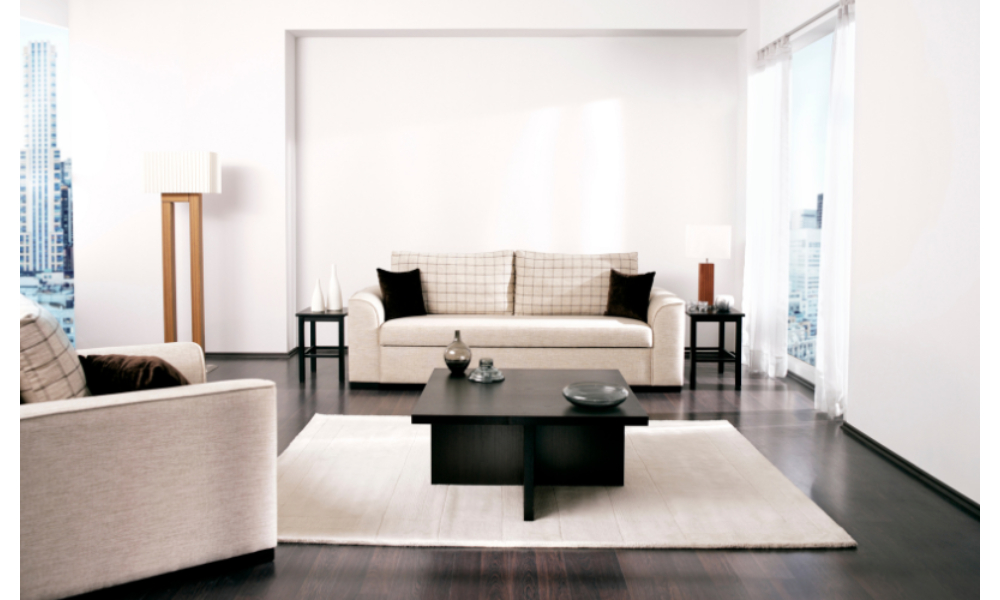
Home staging plays a crucial role in selling or renting a property. It enhances visual appeal, creates a welcoming atmosphere, and helps potential buyers or tenants envision themselves in the space. However, poor staging choices can have the opposite effect, turning off potential clients and reducing the property’s value. Whether you are preparing a home for sale or furnishing a rental unit, understanding the hidden dangers of ineffective staging can save time and money.
With professional home staging in Singapore, sellers and landlords can create a well-presented home that attracts interest. Additionally, furniture rental in Singapore provides a flexible and cost-effective way to enhance interiors without long-term commitments.
1. Overcrowding the Space with Too Much Furniture
A common mistake in home staging is using excessive furniture that makes rooms feel smaller and cluttered. While furnishing a home is essential, cramming too many pieces into a space reduces its openness and functionality. Potential buyers or renters may struggle to visualise how they would use the area effectively.
To avoid this, opt for minimal yet well-placed furniture. Stick to key pieces that define the space while maintaining an airy and inviting atmosphere. Choosing sleek and space-efficient furniture from a furniture rental in Singapore allows for a polished look without overwhelming the room.
2. Ignoring the Importance of Neutral Colour Palettes
Bright and bold colours may reflect personal style, but they do not always appeal to a wide audience. When staging a home, neutral tones work best as they create a blank canvas that allows potential buyers or tenants to imagine their own decor.
Overly personalised colour choices can be distracting, making it difficult for visitors to focus on the home’s layout and features. To prevent this, use neutral tones for walls, furnishings, and accessories. Soft greys, beiges, and whites provide a sophisticated and timeless appeal, ensuring the property feels welcoming to everyone.
3. Poor Lighting That Reduces Appeal
Lighting is one of the most overlooked aspects of home staging, yet it significantly influences how a space is perceived. Poor lighting makes rooms look dark and uninviting, while well-planned lighting enhances ambience and highlights key features.
Natural light should be maximised by keeping windows unobstructed. Additionally, layering different lighting sources such as ceiling lights, floor lamps, and wall sconces helps create a warm and well-lit space. A well-lit home feels more spacious, inviting, and modern, making it more attractive to buyers and renters.
4. Neglecting Key Areas Like the Entryway
First impressions matter, and the entryway is the first space potential buyers or tenants see. An unstaged or cluttered entry can leave a negative impression, making the rest of the home feel unappealing.
To prevent this, stage the entryway with a simple yet stylish setup. A small console table, a decorative mirror, and a few accent pieces can make the space feel welcoming. Investing in furniture rental in Singapore ensures access to tasteful, high-quality pieces that enhance the home’s first impression.
5. Using Mismatched or Low-Quality Furniture
Furniture staging should create a cohesive and stylish look, but mismatched pieces or poor-quality items can cheapen the space. While repurposing existing furniture may seem cost-effective, it can often result in a disorganised and unattractive presentation.
A well-staged home maintains consistency in style, materials, and colour schemes. Investing in home staging in Singapore through professional services ensures that the right furniture pieces complement each other, creating a seamless and polished appearance.
6. Leaving Personal Items That Distract Buyers
While a home should feel warm and lived-in, personal items such as family photos, awards, and children’s artwork can make it difficult for potential buyers or tenants to see themselves in the space.
Decluttering and depersonalising the home helps create a neutral environment that appeals to a wider audience. Staging professionals recommend keeping decor simple and stylish, focusing on elements that enhance the home’s best features rather than personal touches that limit its appeal.
7. Failing to Address Maintenance Issues
No matter how well a home is staged, visible maintenance issues can immediately turn buyers or tenants away. Stained carpets, chipped paint, and outdated fixtures make a home feel neglected and reduce its perceived value.
Before staging, address any necessary repairs to ensure the property looks well-maintained. Fresh coats of paint, professional cleaning, and minor updates such as new hardware or modern fixtures make a significant difference.
Conclusion
Effective home staging is about presenting a property in the best possible light while avoiding common pitfalls. By choosing the right furniture, optimising lighting, and creating a cohesive design, sellers and landlords can make their properties more attractive to buyers and tenants.
For those looking to enhance their property’s presentation, furniture rental in Singapore provides flexible and cost-effective staging solutions. If you want to maximise your home’s potential, contact WTP today and transform your space effortlessly.