
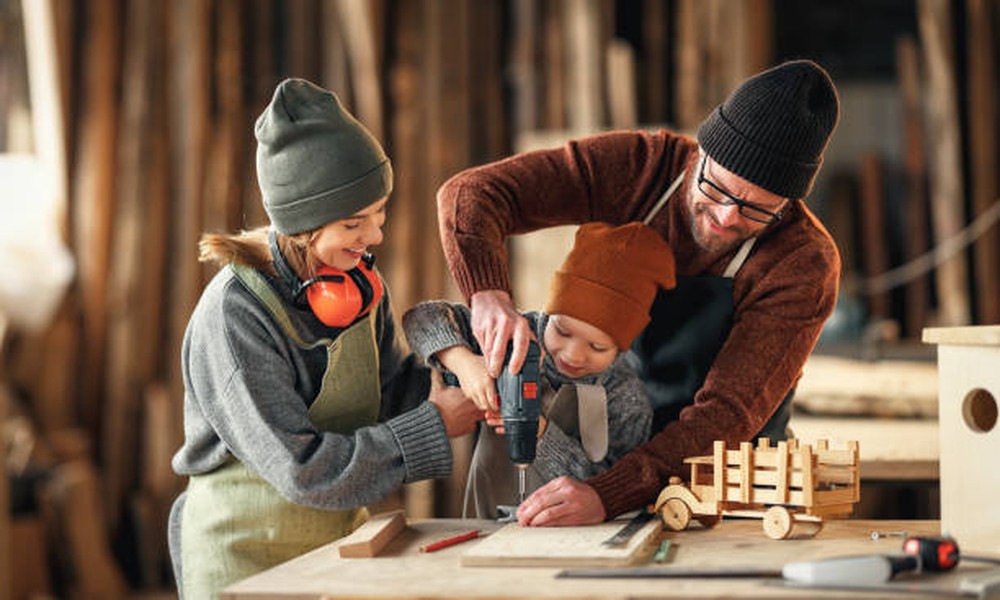
Are you thinking about starting woodworking but are not sure where to begin?
It’s a very satisfying activity where you can create useful and beautiful things with your own hands. From small home items to creative decor, woodworking gives you a sense of pride and calm.
With a little patience and the right understanding, anyone can start and enjoy this skill.
Understanding The Basics Of Woodworking
Before you pick up any tools, it helps to understand what woodworking really involves. It is all about shaping, cutting, and joining wood to create something useful or decorative. Each piece you make starts with a simple idea and slowly turns into a finished product.
Wood comes in different types, and each one behaves in its own way. Some are soft and easy to cut, while others are stronger and better for long-lasting items. Knowing this makes your work smoother and more enjoyable.
Knowing Different Types Of Wood
There are mainly two types of wood used in projects. Softwood like pine is light and easy to handle, which makes it perfect for beginners. Hardwood like oak or teak is stronger and gives a premium feel to the final piece.
When you touch and work with different woods, you start to understand their texture and strength. This small learning step makes a big difference in how your project turns out.
Learning About Basic Tools
Tools are like your best friends in woodworking. You don’t need too many tools in the beginning. A simple setup can help you start comfortably.
Basic tools include a measuring tape, saw, hammer, screwdriver, and sandpaper. As you continue, you may feel comfortable adding more tools like drills or clamps. Starting simple keeps things easy and stress-free.
Understanding Measurements And Marking
Accurate measurement is very important. Even a small mistake can change how the final piece looks. Always measure carefully and mark your wood clearly before cutting.
Taking a few extra seconds to double-check measurements helps you work with confidence and gives better results.
Setting Up Your Workspace
A clean and comfortable workspace helps you enjoy woodworking more. You don’t need a big area; even a small corner can work well if it is organized properly.
Your workspace should allow you to move freely and keep your tools within reach. Good lighting also helps you see details clearly.
Choosing The Right Location
Pick a place where you can work without disturbance. A garage, balcony, or a quiet corner of your home works nicely. Fresh air and enough space make the work feel relaxing.
When your area feels comfortable, you automatically enjoy spending more time creating things.
Keeping Tools Organized
Keeping tools in one place saves time and keeps your mind calm. You always know where everything is, and your workflow becomes smooth.
Simple shelves or toolboxes are enough to keep things arranged properly.
Maintaining Cleanliness
A clean workspace helps you focus better. After finishing your work, take a few minutes to tidy up. It keeps your tools in good condition and prepares your space for the next project.
Choosing Your First Project
Starting with a simple project builds confidence and keeps things fun. You don’t need to rush into big or complex designs in the beginning.
Pick something small that you can complete in a short time. It gives you a quick sense of achievement and motivates you to continue.
Starting With Simple Ideas
Small items like a wooden shelf, a picture frame, or a small stool are perfect for beginners. These projects help you understand cutting, joining, and finishing.
Once you complete one or two simple items, you naturally feel ready to try something bigger.
Using free woodworking plans
Many beginners find it helpful to follow ready-made designs. free woodworking plans give you step-by-step ideas so you don’t have to think too much about design in the beginning.
Following a plan also teaches you how projects are structured, which is very useful for future work.
Focusing On Finishing Touch
Finishing is what makes your project look complete. Sanding smoothens the surface, and polishing adds a clean and neat look.
Taking your time in this step makes your work feel more satisfying and visually pleasing.
Learning How Wood Pieces Fit Together
Joining wood pieces properly is an important part of woodworking. When joints are done correctly, the final piece becomes strong and looks neat.
Understanding basic joining methods helps you create more durable items.
Exploring Basic Joints
There are simple joints like butt joints and lap joints that are easy to learn. These are perfect for beginners and work well for many projects.
As you continue, you can slowly learn more detailed joints, but starting simple is always better.
Understanding DIY wood joints explained
When you learn through guides like DIY wood joints explained, things become much clearer. These explanations help you see how different joints work and where to use them.
This knowledge improves your skills and gives you confidence to try different designs.
Practicing Joint Techniques
Practice makes everything easier. Try joining small pieces of wood just to understand how it feels. With each attempt, your hands get more comfortable, and your results improve.
Building Confidence With Practice
Woodworking becomes easier and more enjoyable when you keep practicing regularly. Each project teaches you something new, even if it is a small detail.
Learning From Every Project
Every time you complete a project, you gain experience. You understand what worked well and what can be done differently next time.
This natural learning process makes your skills stronger over time.
Taking Small Steps Forward
There is no need to rush. Taking small steps keeps the process relaxed and enjoyable. Each step adds to your knowledge and helps you grow steadily.
Enjoying The Creative Process
Woodworking is not just about the final product. The process itself is very calming. Cutting, shaping, and assembling wood gives a peaceful feeling and keeps your mind fresh.
Developing Your Own Style
As you spend more time with woodworking, you start developing your own style. You begin to choose designs, finishes, and shapes that match your taste.
Trying Different Designs
Experimenting with different styles helps you understand what you like most. You can try simple modern designs or traditional patterns.
Each style gives a unique feel to your work.
Adding Personal Touch
Adding small personal details makes your project special. It can be a unique shape, a special finish, or even a custom size.
These little touches make your work feel more connected to you.
Staying Inspired
Looking at ideas from others can give you fresh thoughts. Inspiration helps you keep your creativity active and makes woodworking more exciting.
Final Thoughts
Starting woodworking is a simple and enjoyable step that brings creativity into your daily life. With basic tools, a comfortable space, and a little patience, you can create beautiful things that feel meaningful.
As you continue learning and practicing, your confidence grows naturally, and each project becomes more satisfying than the last.