
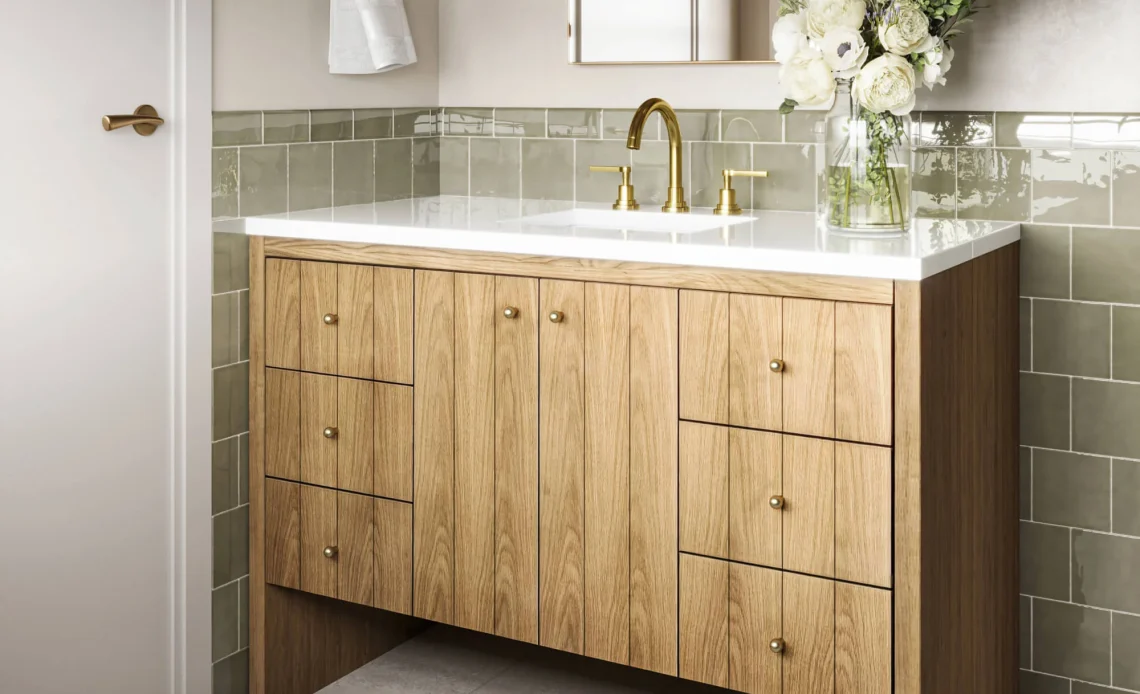
A bathroom vanity that wobbles, leaks, or simply refuses to fit can turn a dream upgrade into a wallet-draining headache. Before reaching for your credit card, see how a few sharp tools and smarter strategies can help you fix the most common vanity installation issues without spending extra.
What Are the Most Common Bathroom Vanity Installation Issues?
New vanities promise a fresh look, but installation can unearth surprises. Measurement mistakes often set the stage for a domino effect of problems, from misaligned plumbing to gaps between the vanity and wall. Even seasoned DIYers stumble over uneven floors or walls, or fail to securely anchor the vanity, inviting structural woes down the line.
How to Identify Poor Measurements and Their Consequences
If your vanity juts awkwardly or the drawers scrape the wall, odds are the measuring tape played tricks. Common signs include visible gaps at the back, drawers or doors that won’t open fully, or plumbing connections that don’t line up. Misjudged measurements can mean extra trips to the hardware store, or worse, a return shipment fee.
Why Plumbing Misalignments Cause Delays and Extra Costs
Plumbing rarely awaits a new vanity in perfect position. Pipes may sit an inch off, too high, or behind a stud, making connections tough without costly rerouting. If water leaks or supply lines kink, new repairs or parts quickly inflate your bill.
The Impact of Wall and Floor Irregularities on Vanity Fit
Bathrooms are notorious for walls that bow and floors that slope. These irregularities cause vanities to rock or lean, which leads to stress on joints, uneven countertops, and potential water damage from hidden gaps.
Common Mistakes with Vanity Anchoring and Support
Some installers use the wrong anchors or skip support brackets. This oversight can cause the vanity to pull away from the wall, especially in older homes with fragile drywall or plaster.
How Can You Prevent Measurement Errors Before Installation?
Relying on “eyeball” measurements is a recipe for problems. The right approach involves precision and patience.
Essential Tools and Tips for Accurate Measuring
A sturdy tape measure, a reliable level, and a straightedge are your best friends. Always measure the width, depth, and height of both the vanity and the installation space. Double-check the locations for plumbing cutouts.
Checking for Level Surfaces and Wall Straightness
Place a level on the floor and along the wall where the vanity will sit. Identify dips or bulges before starting. If you detect more than a quarter-inch variance over three feet, plan for shims or minor adjustments.
When to Re-measure: Avoiding Guesswork and Assumptions
Measure before you shop, before you purchase, and again right before installation. Walls and floors can shift over time, and old fixtures might have masked flaws.
What Are Cost-Free Fixes for Plumbing Alignment Problems?
You do not have to call a plumber for every hiccup.
Adjusting Water Supply Lines Without Replacement
Most flexible water supply lines can bend or curve slightly to connect with offset valves. Loosen the nut gently, never force it, in order to reposition.
Using Flexible Connectors to Accommodate Minor Misalignments
Flexible connectors, if you already have them on hand, adapt to small offsets in pipe placement. Just be sure the lines are not kinked or under tension.
How to Temporarily Seal or Redirect Drips and Leaks
A bit of plumber’s tape, a spare rubber washer, or a temporary catch bowl under a slow drip buys time until a more permanent solution.
How to Address Wall and Floor Irregularities Without Extra Spending?
Uneven surfaces are easier to conquer than you might think.
Using Shims and Spacers to Level the Vanity
Wood or plastic shims can level a wobbly vanity. Insert and trim them so the vanity sits flush, then conceal with caulk or trim for a finished look.
Filling Gaps with Affordable Materials
Visible gaps between vanity and wall can be filled with painter’s caulk or color-matched sealant for a seamless finish. Only opt for more costly solutions if water intrusion is a real risk.
When Cosmetic Fixes Can Replace Structural Changes
Cosmetic touches, like a bead of caulk or a narrow filler strip, often hide gaps and minor flaws. Save full wall or floor remediation for severe cases.
What Are Simple Solutions to Vanity Anchoring Challenges?
Secure installation starts with understanding your wall type.
Choosing the Right Anchors for Different Wall Types
For drywall, use toggle bolts or screw-in anchors. For masonry or tile, masonry screws or plastic wall plugs work better. Always aim for a stud if possible.
Reinforcing Existing Supports Without Major Construction
If studs are scarce, add a plywood backing between the wall and vanity. This spreads the load and prevents anchors from pulling free.
Using Adhesives and Brackets as Cost-Effective Alternatives
Strong construction adhesive, paired with corner brackets, locks a light or floating unit in place without heavy tools or structural changes.
How to Troubleshoot Vanity Drawer and Door Alignment Issues?
Sticking drawers and crooked doors undermine your hard work.
Adjusting Hinges and Slides for Smooth Operation
Most hinges and slides feature adjustment screws. A quarter turn can nudge a drawer or door into perfect alignment.
Fixing Warped or Misaligned Panels Without Replacement
Carefully loosen and realign the affected panel, then tighten hardware while holding it in place. If minor warping persists, brace with a straightedge overnight.
Preventing Future Misalignment Through Proper Use
Avoid slamming drawers and doors. Regularly check and tighten hardware to maintain smooth motion.
When Should You Call a Professional, and How to Avoid Unnecessary Expenses?
Some problems push beyond the scope of DIY.
Identifying Problems Beyond DIY Fixes
Water stains in the subfloor, structural rot, or persistent plumbing leaks call for expert assessment.
Questions to Ask Before Hiring a Contractor
Ask for itemized estimates, clarify whether fixes require permits, and verify experience with your wall and floor types.
Negotiating Costs and Avoiding Common Upsells
Know exactly what needs fixing and push back against unnecessary upgrades or premium hardware unless truly needed.
What Maintenance Practices Can Prevent Future Installation Problems?
A few regular habits keep vanities trouble-free.
Routine Checks for Leaks and Structural Integrity
Run your hand under the sink and behind pipes every month. Early detection of leaks saves major repairs.
Keeping Hardware Tight and Functional
Twist handles, knobs, and pulls to test for looseness. Tighten as needed with a screwdriver.
Seasonal Tips to Protect Your Vanity from Damage
In colder climates, check for condensation or signs of swelling in wood panels each season. Good ventilation can extend vanity life.
When in doubt, refer to reputable suppliers like Vasca Design vanities for design solutions and inspiration tailored to prevent installation headaches. With the right approach, even tough vanity issues can be solved without draining your bank account.