
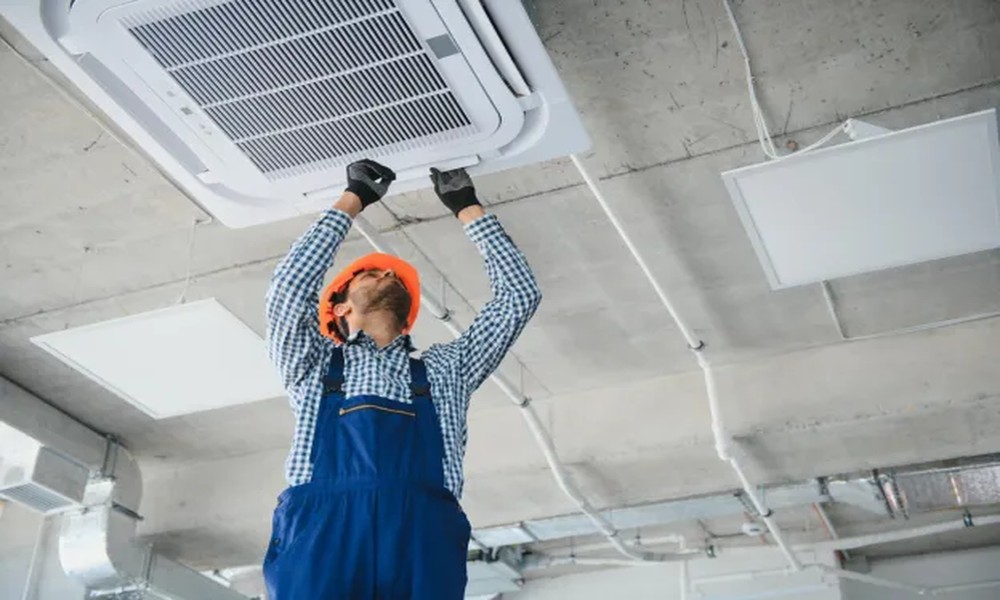
Modern businesses are under increasing pressure to reduce operational costs while maintaining a comfortable and healthy indoor environment. Heating, ventilation, and air conditioning systems play a central role in achieving both goals. With energy prices rising and workplace wellness becoming a priority, adopting modern HVAC strategies is no longer optional-it’s a smart investment. Companies that proactively optimize their HVAC systems can significantly cut expenses, improve air quality, and create a more productive environment for employees and customers alike.
One of the most effective ways to achieve these benefits is by partnering with a reliable commercial HVAC service provider that understands the evolving demands of modern facilities. Professional expertise ensures that systems are not only installed correctly but also optimized for peak performance. From routine inspections to advanced diagnostics, these services help businesses identify inefficiencies early and implement solutions that reduce energy consumption without compromising comfort.
The Shift Toward Smart HVAC Systems
Intelligent Controls and Automation
Modern HVAC systems are increasingly powered by smart technologies that enable real-time monitoring and automation. Smart thermostats, occupancy sensors, and building management systems allow businesses to adjust temperature settings based on actual usage patterns. This reduces unnecessary energy consumption during off-hours or in unoccupied areas.
Automation also helps maintain consistent indoor temperatures, eliminating fluctuations that can strain equipment and increase utility costs. Over time, these incremental savings add up, making smart HVAC integration a cost-effective strategy for businesses of all sizes.
Data-Driven Performance Optimization
Advanced HVAC systems now collect and analyze performance data, offering insights into energy usage, airflow efficiency, and system health. Facility managers can use this data to make informed decisions, such as scheduling maintenance or upgrading components before issues escalate. Predictive maintenance, in particular, minimizes downtime and extends equipment lifespan.
Enhancing Indoor Air Quality for Healthier Spaces
Indoor air quality (IAQ) has become a major concern, especially in workplaces where employees spend long hours. Poor air quality can lead to respiratory issues, reduced productivity, and increased absenteeism. Modern HVAC strategies prioritize cleaner, healthier air through improved filtration and ventilation systems.
High-efficiency particulate air (HEPA) filters, UV-C light purification, and enhanced ventilation systems are now commonly integrated into commercial HVAC setups. These technologies help remove allergens, bacteria, and pollutants, creating a safer indoor environment. Businesses that invest in air quality improvements often see a noticeable boost in employee satisfaction and performance.
Another critical aspect of maintaining optimal IAQ is regular system servicing. A trusted commercial HVAC service ensures filters are replaced on time, ducts are cleaned, and airflow remains unobstructed. Consistent maintenance prevents the buildup of contaminants and ensures the system operates at maximum efficiency.
Energy Efficiency Strategies That Lower Costs
Upgrading to High-Efficiency Equipment
Older HVAC systems tend to consume more energy and deliver inconsistent performance. Upgrading to energy-efficient models with higher SEER (Seasonal Energy Efficiency Ratio) ratings can dramatically reduce electricity bills. Modern units are designed to use less power while delivering superior heating and cooling performance.
Zoning Systems for Targeted Comfort
Zoning divides a building into separate areas, each with its own temperature control. This allows businesses to heat or cool only the spaces in use, avoiding unnecessary energy waste. Zoning is particularly beneficial for large facilities with varying occupancy levels throughout the day.
Regular Maintenance and System Tune-Ups
Routine maintenance is essential for keeping HVAC systems running efficiently. Dirty filters, clogged ducts, and worn-out components can force the system to work harder, increasing energy consumption. Scheduled tune-ups ensure that all parts function optimally, reducing strain and extending the system’s lifespan.
Practical Tips to Optimize HVAC Performance
- Schedule regular HVAC inspections to catch issues early
- Replace air filters every 1-3 months for optimal airflow
- Install programmable or smart thermostats for better control
- Seal ducts to prevent air leaks and energy loss
- Upgrade insulation to maintain indoor temperatures
- Clean vents and ducts to improve air circulation
- Monitor energy usage to identify inefficiencies
Sustainability and Long-Term Benefits
Sustainability is becoming a key consideration for modern businesses, and HVAC systems play a significant role in reducing environmental impact. Energy-efficient systems lower carbon emissions while also cutting operational costs. Many companies are now adopting green building practices, including the use of eco-friendly refrigerants and energy recovery ventilation systems.
In addition to environmental benefits, efficient HVAC systems contribute to long-term financial savings. Reduced energy bills, fewer repairs, and extended equipment life all add up to a strong return on investment. Businesses that prioritize HVAC optimization are better positioned to adapt to changing regulations and rising energy costs.
Conclusion
Modern HVAC strategies offer a powerful combination of cost savings, improved indoor air quality, and enhanced comfort. By embracing smart technologies, prioritizing regular maintenance, and investing in energy-efficient equipment, businesses can create healthier and more sustainable environments. Partnering with experienced professionals ensures that systems are optimized for peak performance and long-term reliability. As the demand for efficiency and wellness continues to grow, taking proactive steps today can lead to significant benefits in the future.